
Python · Ages 14–16
Python for teens aged 14 to 16
At 14 to 16, teenagers can learn Python the way it is used in the real world: structured programs, real data and projects worth putting on a résumé or university application.
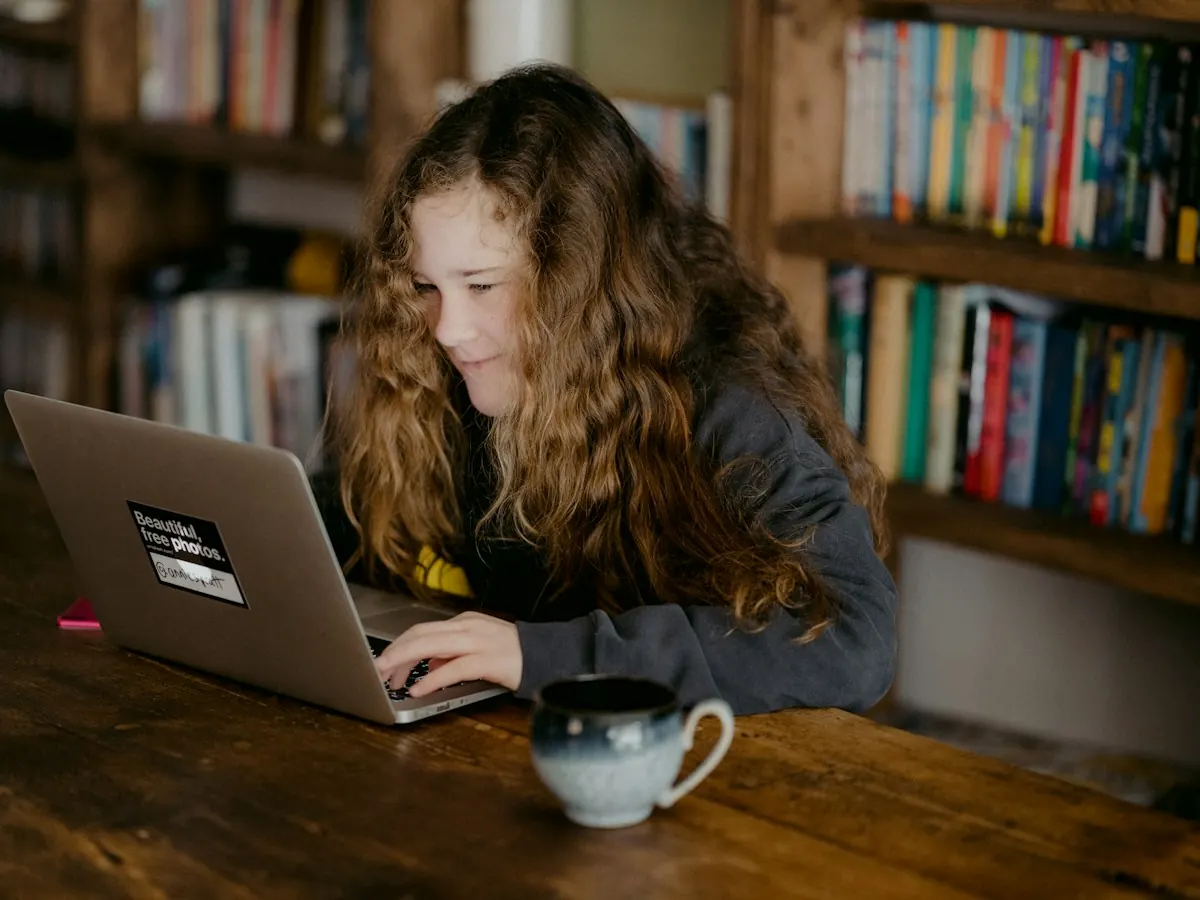
Real-world Python
Functions, data structures and programs organised the way professionals organise them.
Projects to show
Games, data projects and AI experiments they can explain in an interview or application.
Four learners at most
Code review from the teacher every lesson, not once a term.
First class $1
Once per family. Low stakes to find out if it clicks.
Starting Python as a teenager
It is never too late. Teenagers who start Python at 14 or 15 often catch up with younger starters within weeks, because they can hold more in their heads, read documentation and reason about errors on their own.
For many, this is the moment coding becomes relevant: to a subject choice at school, to a future course at university, or simply to building something they want to exist. Python is the language most likely to be useful for all three.
Which course fits
Complete beginners start with Python Beginner, ten classes that teenagers typically move through quickly. Those with some experience can go straight on.
Python Mastery is twenty-four classes for real depth: functions, data structures and larger programs organised properly. Python AI is sixteen classes on programs that learn from data. Teens who enjoy visual work can take p5.js Game Development, which teaches JavaScript through interactive graphics and games. Arduino Robotics: Maker, for ages 14 to 16, brings code into the physical world with circuits and sensors.
What a small group gives a teenager
Teenagers learn most from feedback on their own work. With four learners at most, the teacher reviews each person’s code in the lesson, points out what would break as the program grows, and shows a cleaner way to write it.
That kind of code review is how professional programmers improve, and it is almost impossible to get in a large class or from videos alone.
Beyond the course
Teenagers who finish a course often want to keep building on their own. The teacher points them to the next step: the official Python documentation, free libraries for data and graphics, and ideas for a personal project that uses what they have learned.
A finished project they can explain matters more than a certificate. Being able to say “I built this, here is how it works, and here is what I would change” is useful in a school interview, a university application or a first job. Every project in our courses is built by the student and theirs to keep.
Students who find they enjoy hardware as much as code can move on to Arduino Robotics: Maker, where their programs control lights, motors and sensors.
How booking works
Every class is a live, 60-minute video lesson with a real teacher. Group classes take four learners at most, and the booking system will not sell a fifth seat. If you would rather your child had the teacher to themselves, every maths and coding course is also available one to one.
A group class is $11 and a one-to-one class is $16, priced per class. You can pay class by class or book the whole course. Your family’s very first class costs $1, once per family, so you can see the teacher and the format before committing to anything.
Class times are shown in your own time zone when you book. If something comes up, you can move or cancel a class up to 24 hours before it starts. There is no subscription, so nothing renews in the background, and you are welcome to sit in on any lesson.
Classes to start with
Live, 60 minutes, four learners at most or 1-on-1.

Questions parents ask
FAQ
Is 15 too late to start coding?
No. Teenagers often catch up with younger starters quickly, because they can reason about errors and read documentation on their own.
Will this help with a school computer science subject?
Python is widely used in school computer science, so steady practice with it is a strong foundation.
Python or JavaScript?
Python is usually the better first language. Our Python vs JavaScript guide covers when JavaScript makes sense instead.
How much does it cost?
A group class is $11 and a one-to-one class is $16. Your family’s first class is $1.
What equipment is needed?
A laptop or computer with a keyboard and webcam.
Further reading
Try one class for $1
Once per family. Meet the teacher, see the format, and sit in if you like, before you book anything more.