
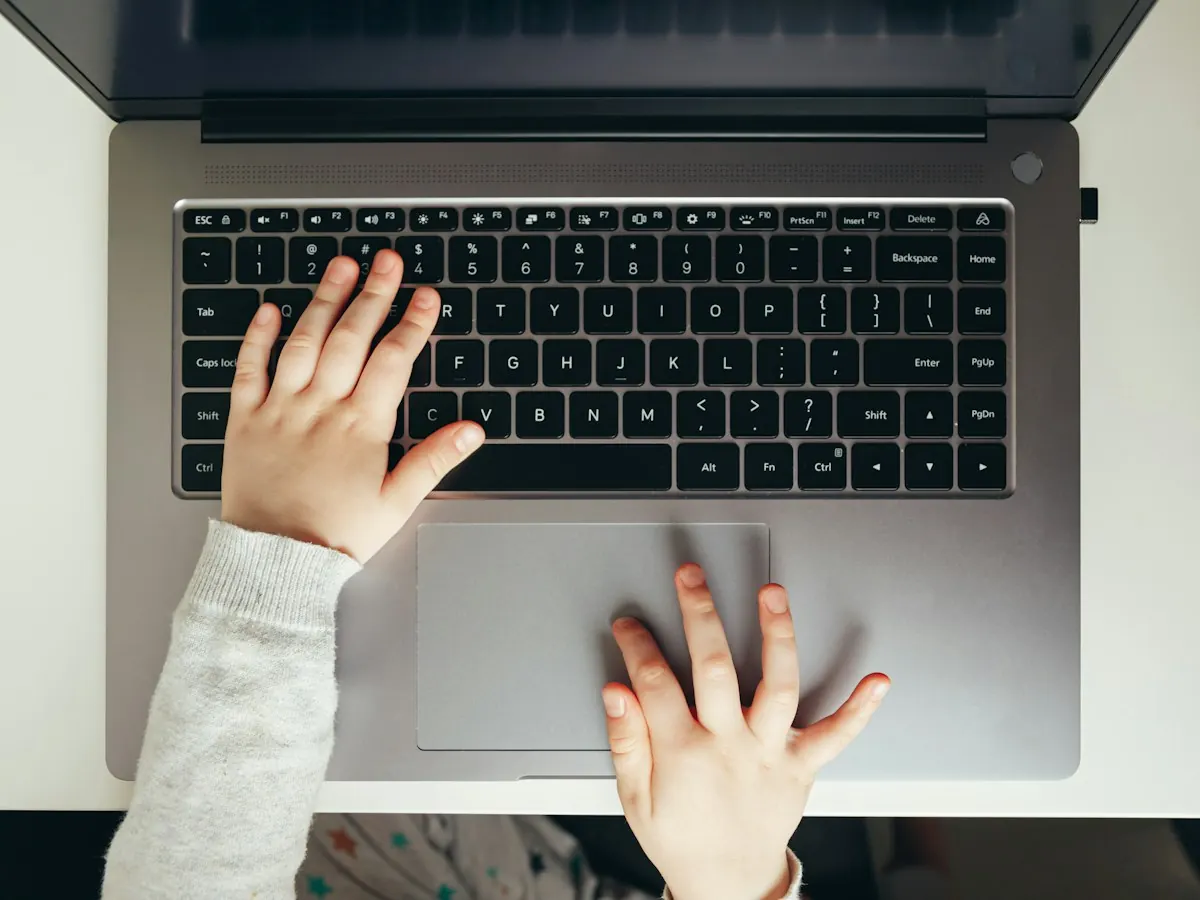
Bigger projects
Games with scores and levels, quizzes that save results, programs that work with real data.
Ready for the real concepts
Functions, lists and planning a program before writing it land well at this age.
Four learners at most
The teacher reads each child’s code and pushes them one step further.
First class $1
Once per family, so they can try it before you book a course.
What changes at 11 to 13
By the middle-school years, most children can follow a program that is longer than one screen, plan before they type, and stick with a project across several lessons. That means Python stops being a set of tricks and becomes a tool they can use to build what they imagine.
This is also the age when school maths starts to meet coding. Variables look like algebra, coordinates appear in graphics, and data from a survey can become a chart. Children who code often find those maths topics easier because they have used them for something.
Which course fits
A child who has never coded should start with Python Beginner, ten classes on the core ideas. At 11 to 13 they usually move through it quickly and confidently.
Children who already know the basics can go straight to a project course. Python Game Design is sixteen classes building playable games with scores, levels and increasing difficulty. Python AI is sixteen classes on programs that learn from data, a good fit for curious children who ask how chatbots and recommendations work. Python Mastery is twenty-four classes for real depth.
Why a small group helps at this age
Middle schoolers can be self-conscious about asking questions in front of a crowd. With three classmates at most, there is no crowd. The teacher sees each child’s screen, asks how they approached a problem, and helps them fix their own bugs rather than handing them the answer.
The small group also means they see how three other people solved the same problem, which is one of the fastest ways to learn to write better code.
Projects that suit this age
Children aged 11 to 13 can take on projects that last several lessons: a platform game with levels and a high-score table, a quiz app that stores results in a file, or a program that reads a list of their favourite songs and finds patterns in it.
Longer projects teach something short exercises cannot: planning. Before writing code, the teacher asks each child to describe the parts their program needs and in what order. It is the same skill that makes a good essay or a science report, and children who learn it here use it everywhere.
How booking works
Every class is a live, 60-minute video lesson with a real teacher. Group classes take four learners at most, and the booking system will not sell a fifth seat. If you would rather your child had the teacher to themselves, every maths and coding course is also available one to one.
A group class is $11 and a one-to-one class is $16, priced per class. You can pay class by class or book the whole course. Your family’s very first class costs $1, once per family, so you can see the teacher and the format before committing to anything.
Class times are shown in your own time zone when you book. If something comes up, you can move or cancel a class up to 24 hours before it starts. There is no subscription, so nothing renews in the background, and you are welcome to sit in on any lesson.
Classes to start with
Live, 60 minutes, four learners at most or 1-on-1.
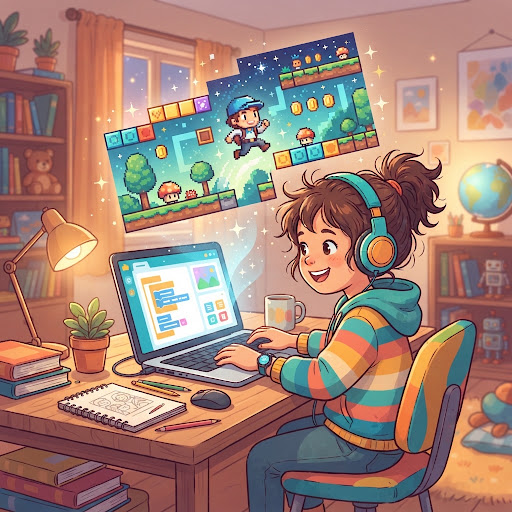
Questions parents ask
FAQ
Is 12 a good age to learn Python?
Yes. By 11 to 13 most children can plan a program and stick with a project over several lessons, which makes Python much more rewarding.
My child has done some Scratch. Where should they start?
Usually Python Beginner. Scratch experience means they will move through it quickly, and it fills the gaps that block coding leaves.
Can they learn about AI at this age?
Yes. Python AI is sixteen classes on how programs can learn from data, taught through small projects.
How much does it cost?
A group class is $11 and a one-to-one class is $16. Your family’s first class is $1.
What does my child need?
A laptop or computer with a keyboard and webcam.
Further reading
Try one class for $1
Once per family. Meet the teacher, see the format, and sit in if you like, before you book anything more.